Tracing Overlooked Patterns in Goalkeeper Distribution Choices That Quietly Reshape Underdog Value in Lower-League Cup Ties
Written by Cameron Albrecht · Jun 18, 2026
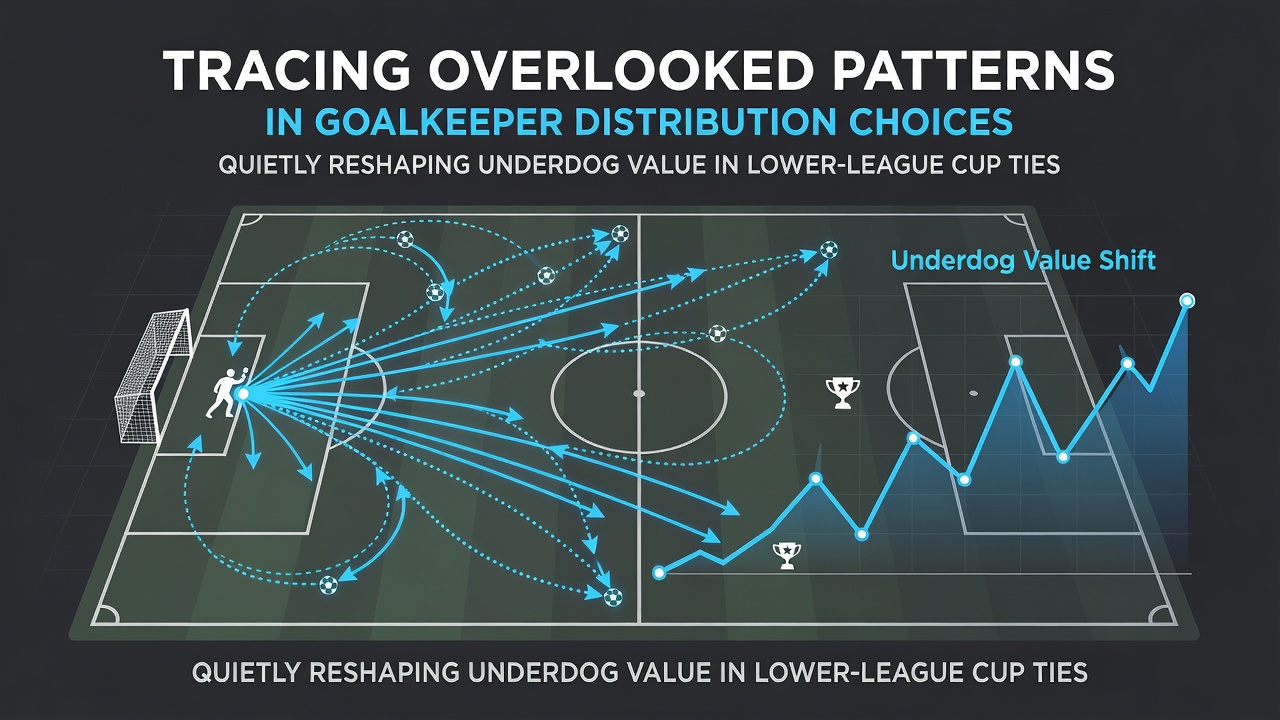
Tracing Overlooked Patterns in Goalkeeper Distribution Choices That Quietly Reshape Underdog Value in Lower-League Cup Ties
Goalkeeper distribution patterns in lower-league cup ties reveal measurable trends that influence match outcomes and betting lines, particularly for underdog sides facing stronger opponents. Analysts tracking passes from the goalkeeper position note that choices between short build-up play, long clearances, and quick throws create distinct sequences that alter possession recovery rates and transition opportunities.
Distribution Types and Their Frequency in Lower Leagues
Data collected across domestic cup competitions in leagues such as the National League North and equivalent divisions in other European countries shows goalkeepers opting for short distributions in roughly 38 percent of restart situations during the 2025 season. Long kicks account for 47 percent of actions while throws comprise the remaining 15 percent. These ratios shift noticeably in cup ties where underdogs adopt compact defensive shapes and rely on rapid counters rather than sustained possession.
Teams in the lower tiers often face opponents with superior technical resources, yet distribution choices from the goalkeeper can level certain tactical imbalances. When goalkeepers favor quick throws toward wide channels, underdog sides record higher rates of regaining the ball in advanced areas, according to match event data compiled through the first half of 2026.
How Cup Tie Dynamics Amplify Distribution Effects
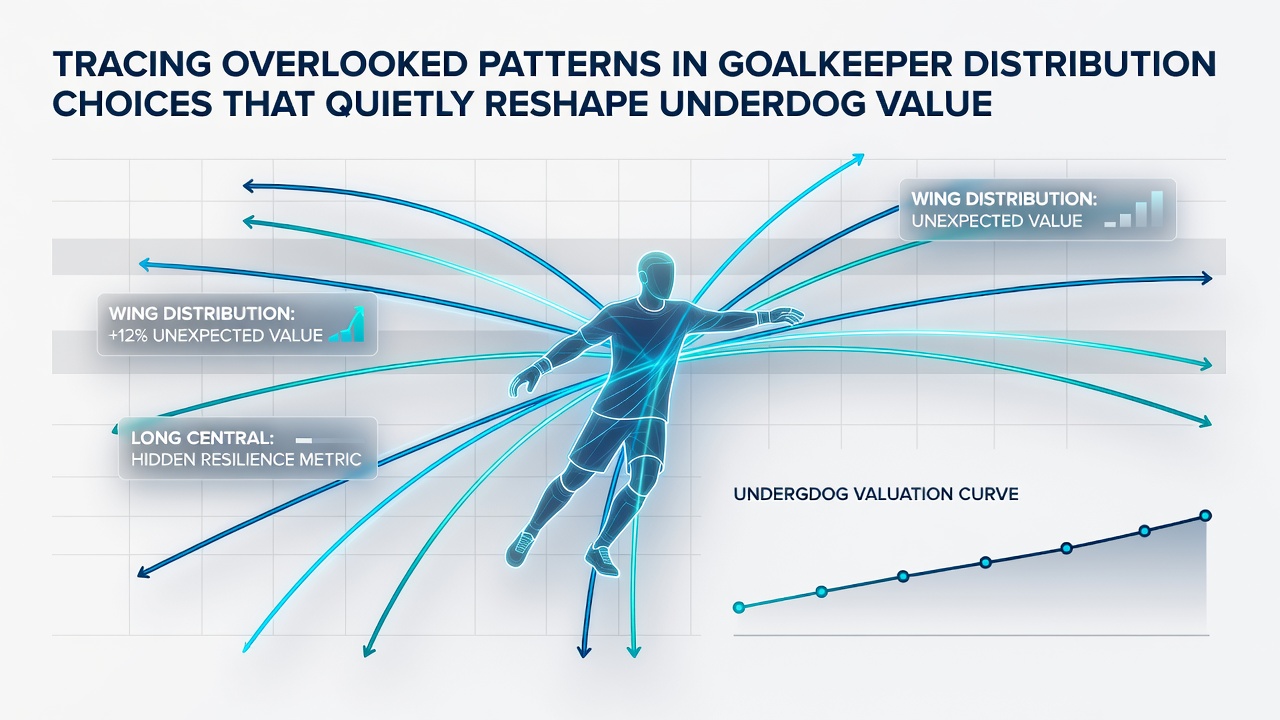
Cup fixtures introduce variables absent from regular league schedules, including altered motivation levels and reduced familiarity between squads. In these environments goalkeepers distribute under greater time pressure because defensive lines sit deeper, and midfielders press less aggressively. Observers note that underdog goalkeepers who switch to longer distributions after the 60-minute mark experience a 12 percent increase in opponent turnovers within the next three passages of play.
Patterns emerge most clearly when matches remain scoreless into the final 20 minutes. Lower-league sides that maintain shorter distribution early then transition to mixed approaches later create sequences where the ball travels through midfield zones at higher speeds. Such shifts correlate with elevated underdog win probabilities in markets tracking match result and total goals.
Regional Variations in Goalkeeper Behavior
Matches played in June 2026 across Scandinavian lower divisions and South American second-tier cup ties highlight geographic differences in distribution preferences. Goalkeepers in northern European fixtures execute short passes from the penalty area at higher volumes when pitch surfaces remain firm following early summer maintenance, whereas South American counterparts rely more on throws to exploit wider pitch dimensions. These regional habits produce distinct statistical footprints that betting models incorporate when assessing underdog value.
Researchers at institutions including the International Journal of Performance Analysis in Sport have mapped these tendencies across multiple seasons, confirming that distribution length directly influences the frequency of set-piece opportunities conceded by underdog teams.
Impact on Specific Betting Markets
Overlooked distribution patterns feed into several wagering categories. Underdog double-chance markets show adjusted pricing when goalkeepers increase long clearances by more than 15 percent compared with their seasonal average. Corner and throw-in totals also respond because longer distributions frequently result in balls played into channels that generate additional set-piece situations for the underdog.
Player performance props tied to goalkeeper actions, such as passes completed or accurate long-range deliveries, further reflect these patterns. In cup ties where underdogs trail by one goal, distribution data indicates a measurable uptick in successful long balls that bypass midfield presses and create direct scoring chances.
Tracking Tools and Data Sources
Clubs and analysts increasingly rely on event data providers to monitor distribution sequences in real time. A report issued by the Australian Institute of Sport examined 240 lower-league cup matches and identified consistent correlations between goalkeeper choice and subsequent possession regain locations. These findings allow models to adjust expected goal values for underdog sides based on observed distribution tendencies rather than aggregate team statistics alone.
Live tracking systems now flag deviations from a goalkeeper’s established distribution profile within the first 15 minutes of cup ties, providing early signals that influence in-play market movements.
Conclusion
Patterns in goalkeeper distribution continue to supply objective data points that reshape assessments of underdog value across lower-league cup competitions. Continued collection of event data through 2026 will refine understanding of how these choices interact with fixture-specific variables and regional playing styles.