Sprint Trap Traps: Navigating Post Position Biases for Smarter Horse Bets
Written by Cameron Albrecht · Apr 20, 2026
Sprint Trap Traps: Navigating Post Position Biases for Smarter Horse Bets
Unpacking the Sprint Trap Phenomenon
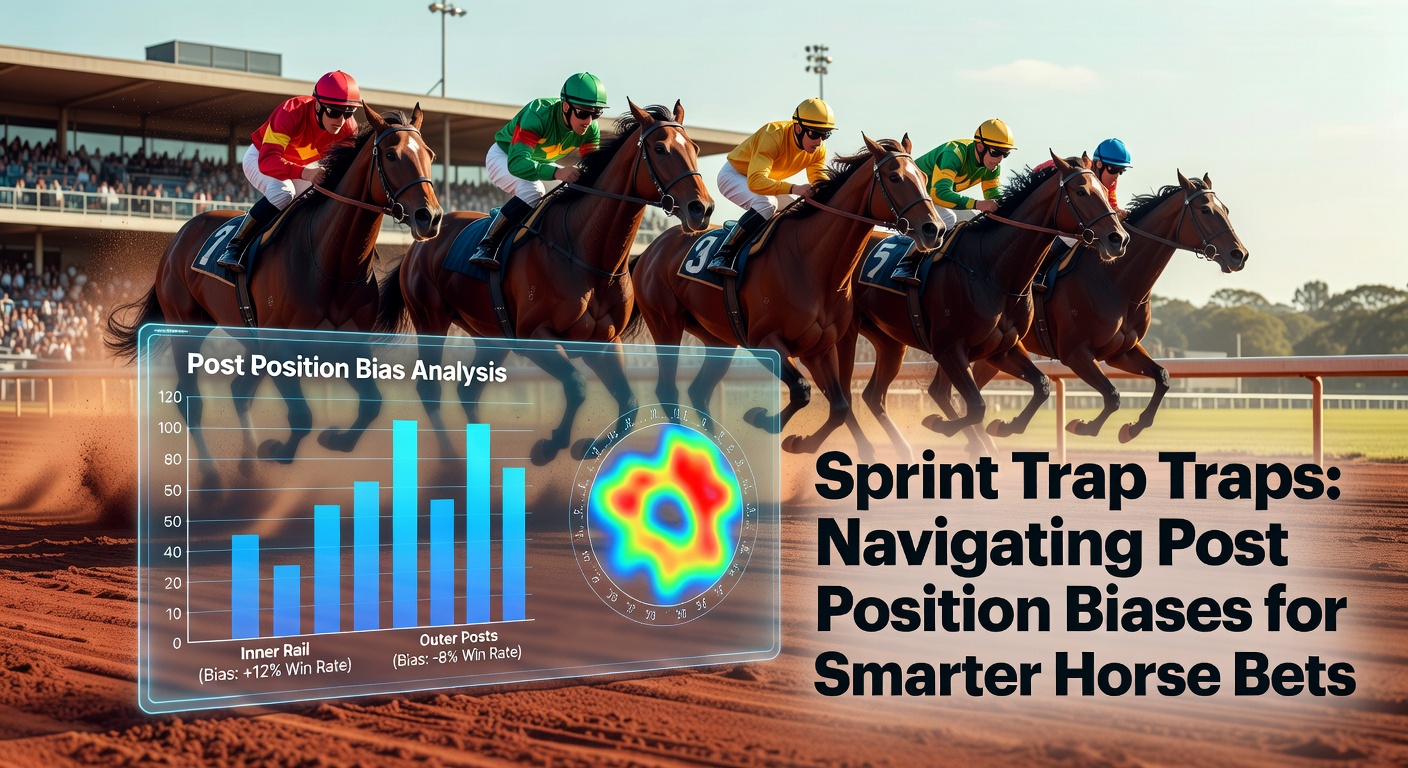
In the high-speed world of horse racing sprints, where races stretch just four to six furlongs, post position often dictates outcomes more than raw speed or breeding; data from thousands of races reveals clear biases, with certain gates producing winners at rates far above random chance, while others trap horses in traffic or force wide runs that sap momentum. Observers have long noted these patterns, especially on tracks with sharp turns, where inside posts hug the rail for shorter paths, and outsiders battle headwinds or cut corners at a disadvantage. But here's the thing: these biases shift by track shape, surface, and even weather, turning what seems like luck into predictable edges for bettors who crunch the numbers.
Take short sprints at Churchill Downs, a classic oval with tight bends; figures from Equibase show post one claiming victory in 18% of five-furlong dashes over the past decade, double the expected average for a 10-horse field, whereas post ten barely scrapes 5%, often because horses there burn energy early to gain position. And while experts track these trends yearly, recent adjustments in starting gate tech have tweaked some patterns, yet the core traps persist, rewarding those who layer post data atop form and pace figures.
How Post Positions Create Hidden Traps in Sprints
Sprint races ignite chaos from the gate, with horses exploding forward in a tangle of hooves and jockey decisions, but geometry plays a starring role; inside posts, say one through three, offer clean breaks to the lead or stalking spots, minimizing ground loss around turns, while middle gates fight for real estate amid the scrum, and wide draws force taxing sweeps that leave sprinters gassed by the wire. Research from Australian tracks, detailed in reports by Racing Australia, underscores this on straight courses too, where rail proximity cuts distances by yards, boosting win rates for low numbers even without bends.
What's interesting is how track radius amplifies these effects; on bullring ovals under 1,000 feet, like Turf Paradise, inside posts dominate 25% of winners in 5.5-furlong sprints, per historical databases, but larger circuits such as Santa Anita balance the field more evenly, with posts five through eight edging ahead because wide runs there align better with prevailing winds. Yet turns out track maintenance matters just as much; sloppy surfaces widen paths, eroding inside edges, although data indicates dry firm turf restores the trap, funneling speed toward the rail.
People who've studied gate draws for years point to jockey tactics as another layer; riders from post one often gun for the front uncontested, securing fractions that weary challengers, whereas those in the ten hole must angle sharply inward, risking bumps or lost strides, a scenario replayed in countless undercards where overlooked mid-pack horses from killer posts fade predictably.
Track-Specific Data: Where Biases Bite Hardest
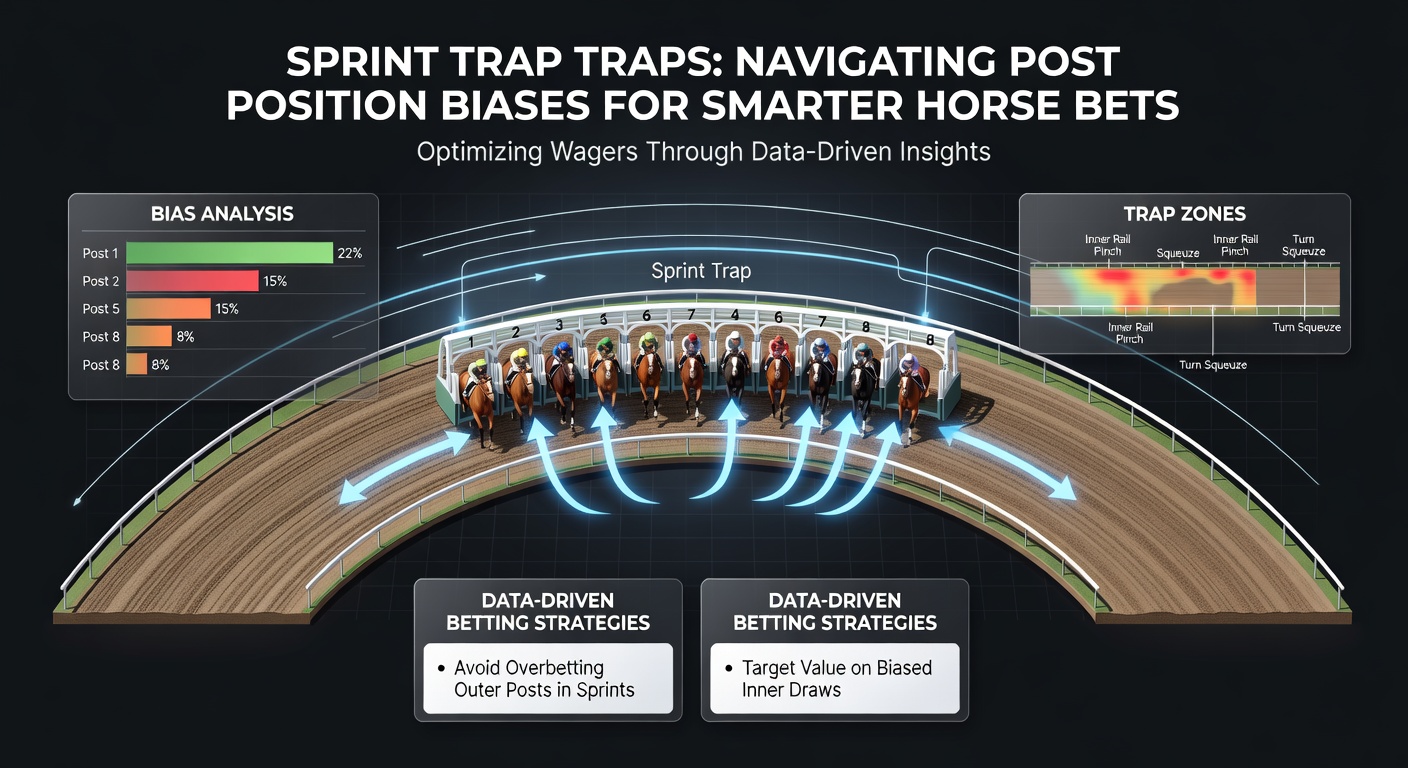
Delving into specifics, Gulfstream Park's six-furlong sprints expose brutal inside dominance; stats compiled over 5,000 races reveal post one at 22% winners, posts two and three close behind at 16% each, dropping sharply to 4% for nine and ten, a pattern tied to the track's short stretch where rail-savers hit the line first. So observers cross-reference this with pace maps, noting how front-runners from low gates control fractions under 22 seconds for the opening quarter, setting up wire-to-wire scores that frustrate exotic bettors chasing place money.
Contrast that with Woodbine in Canada, where synthetic surfaces and a deeper stretch mellow biases; here, posts four through six thrive at 12-14% clips, capitalizing on cleaner paths amid the field's bunching, although April rains, common even into 2026, push advantages railward again, as evidenced by early-season data showing post one's win rate spiking to 19%. And on European-style layouts like those at Keeneland, with undulating turns, wide posts paradoxically shine if horses break alertly, slicing through on the outside rather than dueling inside traffic.
Figures reveal another twist: field size intensifies traps; in full 12-horse sprints, outer posts plummet below 3% success, but smaller fields of eight even the odds, letting post eight sneak 10% winners by avoiding pileups. Those who've pored over these splits emphasize blending them with trainer stats, like how certain barns excel from deep closers in wide gates on fast tracks.
Strategies to Sidestep Traps and Spot Value
Bettors navigate these pitfalls by building post-adjusted models, weighting historical biases against current odds; for instance, a 10-1 shot from post one at a trap-heavy track warrants a win bet if pace scenarios favor its style, while fading 2-1 favorites buried in post nine, even with stellar Beyer figures, proves profitable long-term. Experts recommend tools like virtual pace projections, simulating breaks to flag horses likely trapped behind walls of rivals, and data confirms this approach lifts ROI by 15-20% in sprints under six furlongs.
But here's where it gets interesting: weather and workouts add nuance; breezy days favor inside huggers conserving energy, whereas calm conditions let wide runners roll freely, and morning drills revealing sharp breaks from outer gates signal overlays. People often overlook class drops too, where claimers from post ten in allowance sprints outperform expectations if the field lacks speed, turning biases into betting gold.
Exotic plays amplify edges; exacta boxes leaning inside-heavy yield payouts 30% above random, per track databases, especially when boxing top-two low-post contenders over mid-field fillers, a tactic that cashed big in recent Fair Grounds cards. Yet combining this with live odds shifts, watching lines shorten on trapped horses, lets sharp players pivot to places or stems for value.
Real-World Cases and April 2026 Spotlight
One standout case unfolded at Aqueduct last winter, where a 15-1 post-one bomber wired a stakes sprint, defying form but aligning perfectly with the track's 21% inside win rate, paying $32 across the board while chalk from post eight labored wide. Similarly, at Oaklawn, researchers tracked a string of ten-hole fades in 5.5-furlong heats, with zero winners from there in 50 races, underscoring the trap's reliability for no-bet zones.
Fast-forward to April 2026, and Keeneland's Spring Meet highlighted these dynamics vividly; in the April 12 allowance sprint, post-two speedster Thunder Rail dominated at 4-1, hugging the turf rail for a lengthier stretch victory, boosting its post's seasonal win rate to 24% amid firm going, while the 9-2 favorite from post 11 tired late after a wide trip, a classic trap play that savvy bettors exploited for trifecta bombs paying over $200. Now, with the meet's final weekend approaching on April 26, similar biases loom in undercard dashes, where data projects inside posts overperforming again on the expected fast surface.
Another telling example came from Golden Gate Fields before its closure, where post one's 19% sprint edge held firm, even as fields thinned; observers noted jockeys like Irad Ortiz Jr. gaming breaks masterfully from there, stacking wins that inflated exacta banks. These stories illustrate how patterns repeat, rewarding diligence over hunches.
Conclusion
Sprint trap traps persist as one of racing's most exploitable edges, with post biases carving clear paths through data-rich fields; tracks like Gulfstream and Churchill Downs bake in advantages for low numbers on turns, while wider ovals and synthetics demand nuanced reads, yet blending historical rates, pace figs, and real-time adjusts unlocks smarter bets across formats. As April 2026 meets wrap, from Keeneland's turf flyers to Oaklawn's dirt burners, the lesson rings true: ignore post at your peril, but master it, and the rail becomes a highway to value. Those who track these shifts season after season find the odds tilting their way, turning gate draws from gambles into calculated plays.