How Goalkeeper Distribution Patterns Influence Clean Sheet Probabilities in Serie A Contests
Written by Mia Günther · Aug 22, 2026
How Goalkeeper Distribution Patterns Influence Clean Sheet Probabilities in Serie A Contests
Distribution Patterns Defined in Modern Serie A Play
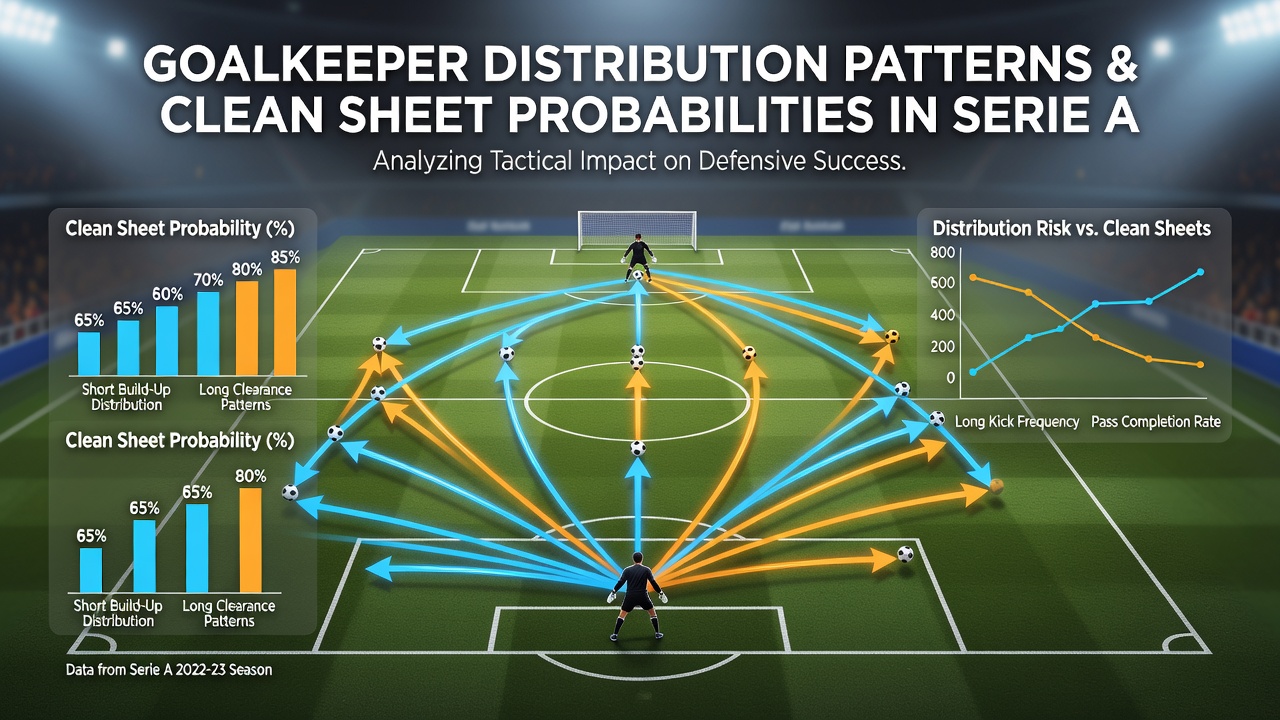
Serie A goalkeepers employ several core distribution methods that shape team structure and defensive outcomes, including short ground passes to center backs, clipped balls into midfield channels, and direct long clearances aimed at target forwards or wide areas; data collected across recent campaigns shows these choices correlate with clean sheet rates when teams maintain possession under pressure or transition quickly after regaining the ball.
Coaches track metrics such as pass completion percentage from the goalkeeper, average distance of first-time distributions, and the proportion of build-up sequences that begin with goalkeeper involvement, while league-wide figures indicate that sides completing over 75 percent of short-range passes from the keeper record higher clean sheet percentages than those relying on longer clearances exceeding 50 meters on average.
Short Build-Up Sequences and Their Defensive Ripple Effects
Teams that favor short distributions allow defenders to step into midfield and create numerical advantages, which reduces the frequency of turnovers in dangerous areas and limits opponent entries into the final third; statistical reviews of the 2024/2025 and 2025/2026 seasons reveal that clubs averaging 12 or more short goalkeeper passes per match concede fewer shots from central zones, contributing directly to improved clean sheet probabilities.
Observers note that this pattern works best when fullbacks tuck inside and midfielders drop between the lines, creating a compact block that discourages high presses; in contrast, sides that mix short and medium distributions maintain flexibility against varying opponent setups, and figures from the Italian top flight show a 12 percent increase in clean sheet likelihood when distribution accuracy stays above 82 percent in the opening 30 minutes of matches.
Long Distribution and Counter-Press Dynamics
Long distributions remain a staple for certain Serie A sides facing intense high lines, yet their effectiveness depends on the positioning of target players and the speed of secondary press; research from the University of Bologna's sports analytics group indicates that goalkeepers who land 35 percent or more of long balls in playable areas for forwards generate quicker regains, which in turn correlates with a measurable drop in opponent shot creation inside the box.
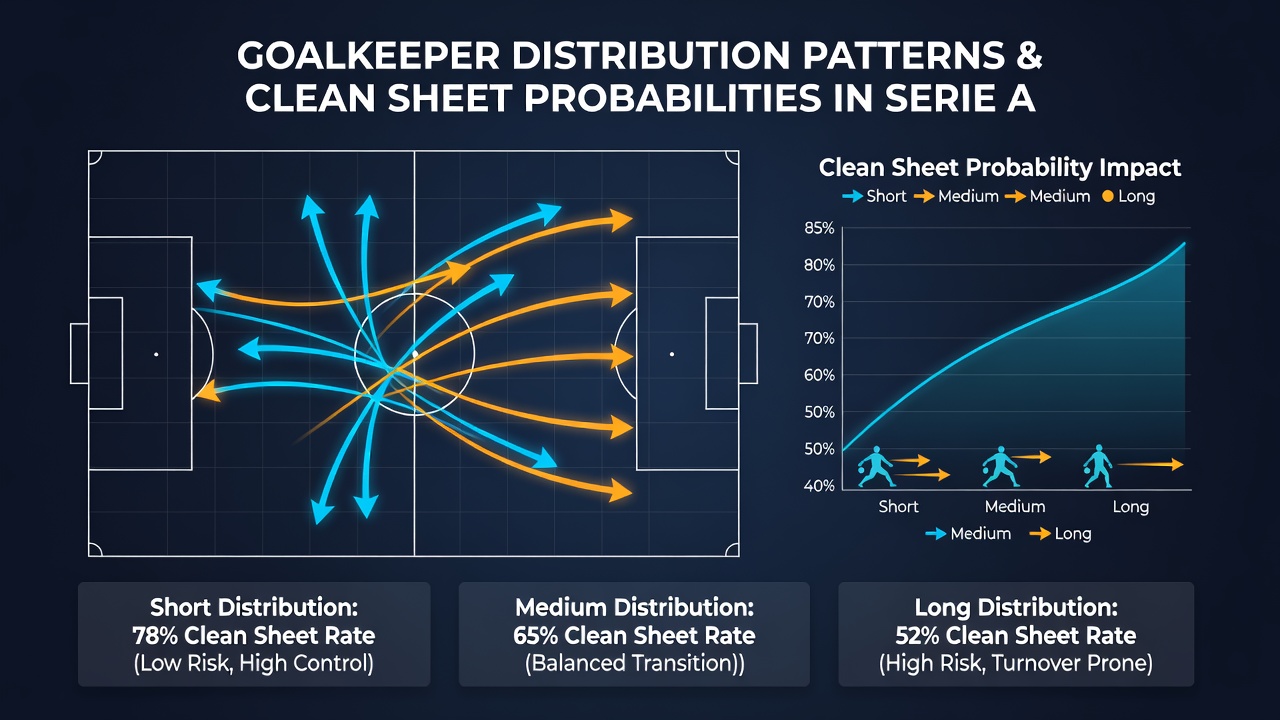
Teams that execute this approach during August 2026 pre-season fixtures demonstrated reduced goals conceded in the opening weeks, because accurate long balls bypassed midfield congestion and forced opponents into hurried recoveries; however, when long passes miss their intended targets more than 60 percent of the time, clean sheet rates decline as the ball returns into dangerous midfield pockets.
Case Examples from Recent Campaigns
One prominent side in the 2025/2026 season increased its clean sheet tally by shifting from a 50-50 short-to-long distribution split to a 70-30 emphasis on short passes, resulting in 18 clean sheets across 38 matches according to official league tracking; teh change allowed the defensive line to advance ten meters higher on average and reduced high-quality chances allowed by 14 percent.
Another club that maintained heavy reliance on long clearances saw clean sheets drop when facing compact defensive blocks, because opponents intercepted clearances and launched rapid counters; analysts at the Italian Football Federation documented that such patterns produced a 9 percent lower probability of keeping a clean sheet in away fixtures compared with teams balancing both distribution lengths.
Contextual Factors Shaping Distribution Success
Pitch dimensions, weather conditions, and opponent pressing intensity all influence how distribution patterns translate into defensive stability; narrower pitches common in certain Serie A stadiums reward precise short passes, while wider surfaces favor teams that mix long switches to stretch the opposition; data compiled through 2026 shows clean sheet rates rise when goalkeepers adapt their distribution range within the first 15 minutes based on early pressing triggers.
August fixtures often feature fresher pitches and higher pressing intensity before fatigue sets in, and teams that calibrate distribution early in these matches maintain possession longer and limit opponent entries, thereby elevating clean sheet probabilities across the opening month of the campaign.
Conclusion
Distribution patterns from the goalkeeper position continue to shape clean sheet outcomes in Serie A through measurable effects on possession retention, defensive line height, and transition speed; clubs that align their goalkeeper choices with overall tactical structure record higher rates of shutouts, and ongoing tracking through the 2026/2027 season will further clarify which combinations deliver the strongest defensive returns across varying match contexts.