How Equine Pedigrees Respond to Varying Moisture Levels on Racecourses, Creating Opportunities in Specific Betting Pools for Jumps Meetings
Written by Sam Perry · Jun 11, 2026
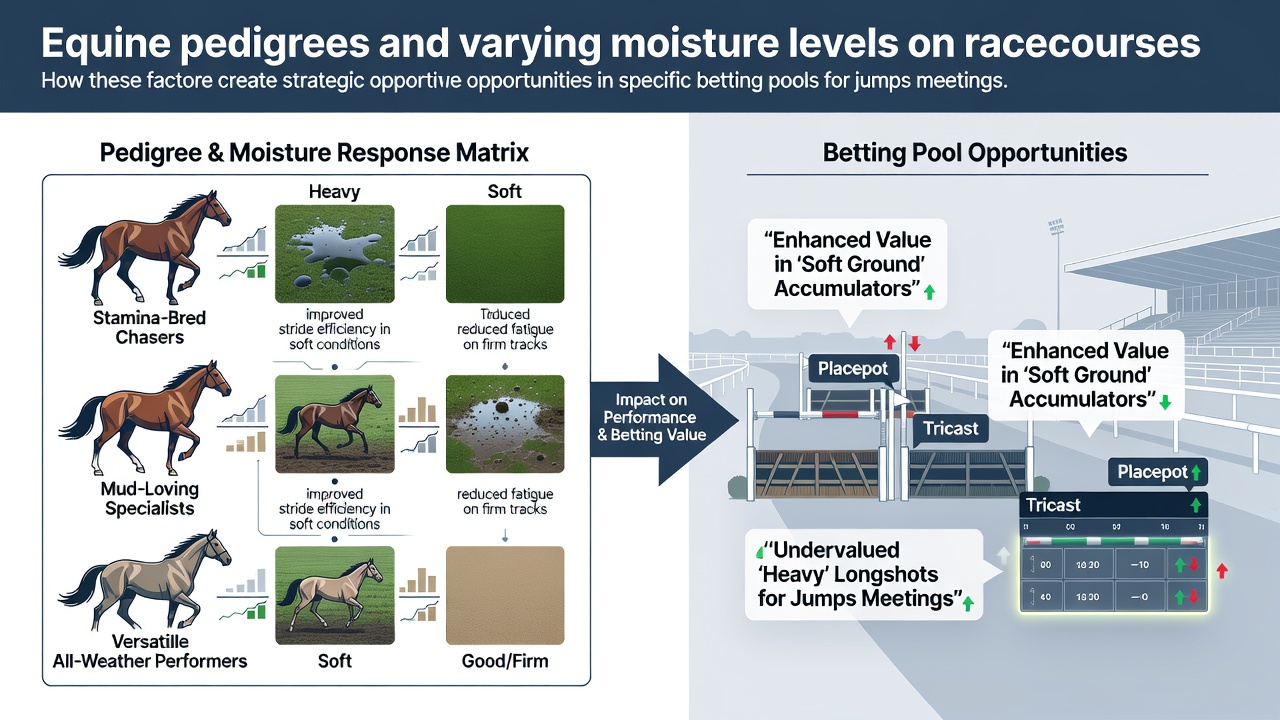
How Equine Pedigrees Respond to Varying Moisture Levels on Racecourses, Creating Opportunities in Specific Betting Pools for Jumps Meetings
Equine pedigrees carry genetic traits that influence how horses handle different ground conditions, and moisture levels on racecourses directly affect those responses during jumps meetings. Bloodlines from sires known for stamina often show stronger performance when tracks soften after rainfall, whereas speed-oriented lines tend to struggle as surfaces become heavier. Observers note that these patterns emerge consistently across seasons because moisture alters stride efficiency, jumping technique, and overall energy expenditure on hurdles and fences.
Genetic Foundations in Equine Pedigrees
Breeders and trainers track pedigree records through databases maintained by organizations such as Weatherbys, where detailed lineage data reveals recurring patterns in ground preference. Horses descending from stallions like those with strong influences from lines such as Sadler's Wells frequently demonstrate better adaptation to soft or yielding surfaces, while descendants of speed-focused sires such as Danehill may lose effectiveness once moisture exceeds certain thresholds. Research from veterinary faculties, including studies conducted at the University of Melbourne, indicates that muscle fiber composition and respiratory efficiency vary along these bloodlines, producing measurable differences in race times as track moisture content rises.
Jumps meetings amplify these distinctions because the added demands of clearing obstacles require horses to maintain balance and propulsion on surfaces that change with each passing shower. Data collected from Irish and French racing fixtures shows that certain pedigree groups maintain higher completion rates over longer distances when ground turns from good to soft, creating statistical edges in place markets and each-way pools.
Moisture Levels and Performance Metrics
Track officials measure moisture through penetrometer readings and going reports that categorize surfaces from firm to heavy, and these classifications correlate strongly with pedigree performance clusters. When rainfall increases moisture content, horses with deeper stamina pedigrees exhibit slower deceleration rates compared to their lighter-framed counterparts. Figures from the Australian Racing Board reveal that in jumps races exceeding 4000 meters, progeny of endurance-oriented stallions improve their relative positions by an average of two places as ground moisture moves from 15 percent to 25 percent volumetric water content.
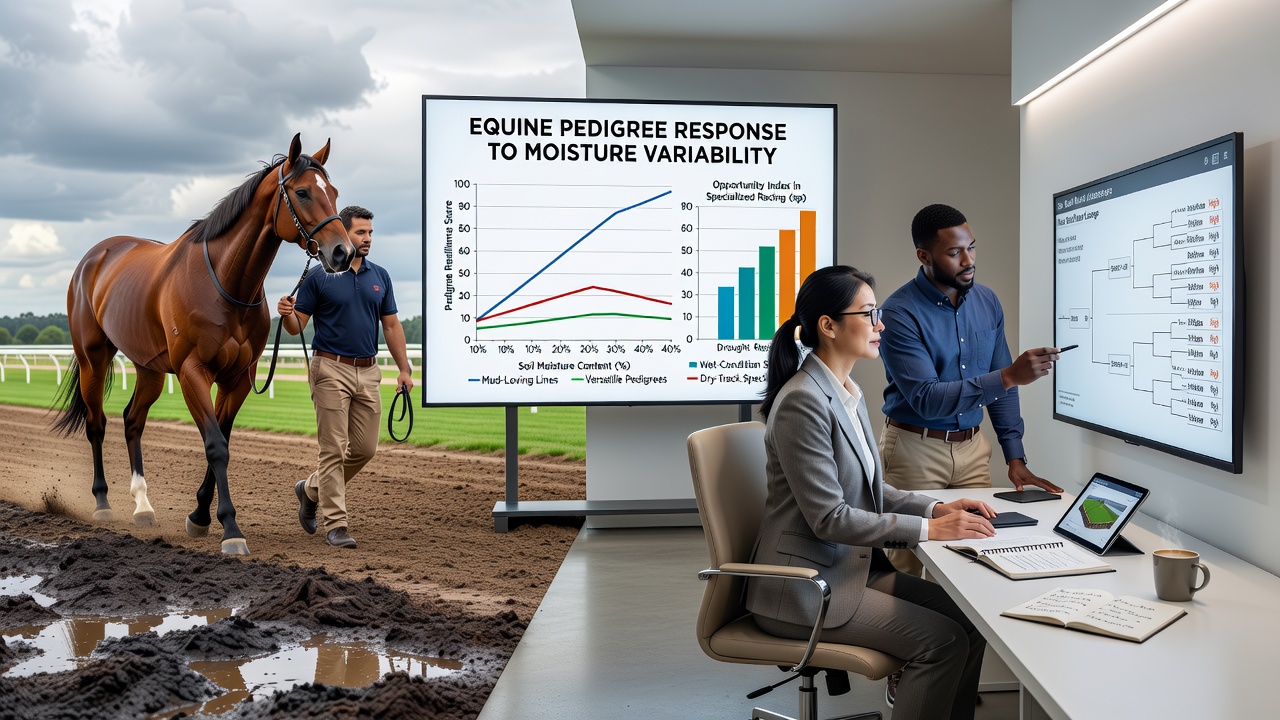
Those who've analyzed thousands of jumps results observe that soft ground tends to reward horses whose dams also carry stamina influences, producing compound effects in offspring. Conversely, when courses dry rapidly after light rain, speed pedigrees regain advantages in shorter hurdle events. This interplay between moisture and lineage creates predictable shifts in finishing order that betting markets sometimes price inefficiently at smaller meetings.
Betting Pool Dynamics at Jumps Fixtures
Betting exchanges and traditional pools reflect these ground-related tendencies through fluctuating odds, particularly in place and forecast markets at jumps meetings. When forecasters predict persistent rain ahead of a card, market liquidity often moves toward stamina-bred runners in the each-way pools because historical data supports their higher strike rates under softer conditions. June 2026 meetings across several European circuits demonstrated this pattern again, as prolonged wet spells aligned with stronger returns for horses carrying specific bloodline markers in the 2m4f to 3m2f distance bands.
Industry reports compiled by groups such as the European Pari Mutuel Association highlight how these opportunities concentrate in midweek fixtures where public attention remains lower and odds compilers adjust more slowly to pedigree-ground correlations. Trainers who declare runners with verified soft-ground pedigrees frequently see their horses attract late support in place pools once official going reports confirm moisture increases, producing value differentials that sharp bettors target through systematic analysis of past performance on similar surfaces.
Regional Variations and Data Patterns
Racecourses in different climates produce distinct moisture response curves that interact with imported bloodlines. Northern hemisphere tracks experience more variable spring and autumn rainfall, whereas southern circuits often contend with sudden heavy downpours that rapidly alter ground state. Canadian and Australian racing authorities publish comparative studies showing that European stamina lines transplanted to drier regions still retain moisture advantages when local tracks receive above-average precipitation, allowing cross-border pedigree analysis to identify overlooked runners in jumps events.
Those examining multi-year datasets note that the effect strengthens over longer distances because fatigue accumulates faster on heavier ground for horses lacking appropriate genetic stamina markers. This creates layered opportunities across win, place, and combination pools at jumps meetings where distance and moisture combine to favor certain pedigrees over others.
Conclusion
Equine pedigrees and moisture levels interact through measurable physiological traits that shape outcomes at jumps meetings, generating identifiable patterns in specific betting pools. Racing authorities and academic researchers continue to document these relationships through ongoing performance tracking, providing objective data that informs market movements when ground conditions shift. Observers who monitor going reports alongside lineage records can identify recurring statistical tendencies without relying on subjective judgment.