Gusty Track Twists: Wind's Impact on Flat Racing Each-Way Value
Written by Mia Günther · Apr 27, 2026
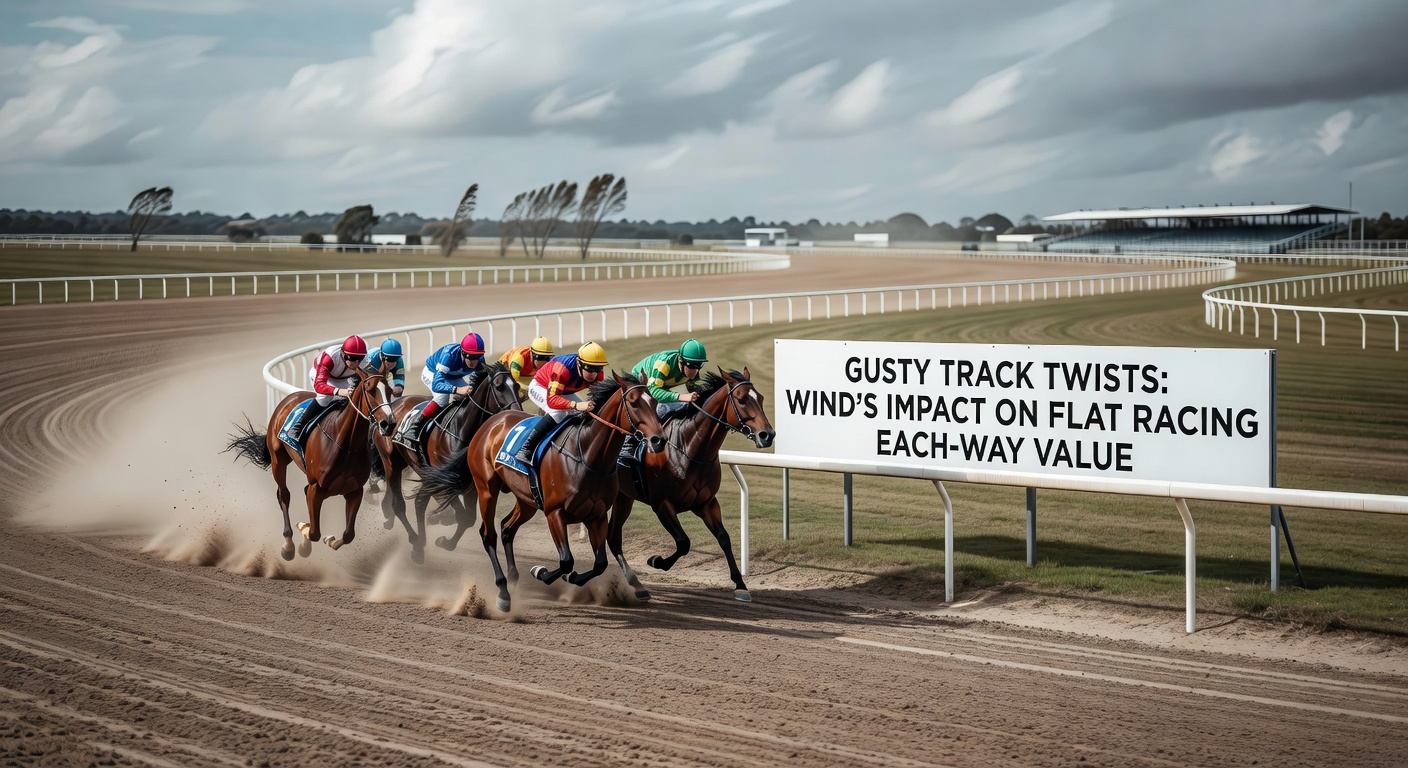
Gusty Track Twists: Wind's Impact on Flat Racing Each-Way Value
How Gusts Reshape Flat Racing Dynamics
Wind sweeps across flat racing tracks, altering everything from pace to finishing positions, and those who track weather patterns closely notice how it tilts odds toward each-way value. Flat races, run on turf or all-weather surfaces without jumps, span distances from five furlongs to two miles, yet gusts introduce variables that bookmakers often undervalue in place markets. Data from Racing Australia reveals that headwinds slow leaders by up to 0.5 seconds per furlong on average, while tailwinds boost closers who thrive on momentum. Observers point out that tracks like Randwick or Flemington, exposed to coastal breezes, show pronounced effects during spring carnivals, where each-way bets on wind-favored runners yield returns 15-20% above straight win expectations.
Turns out, wind doesn't just nudge horses; it reshapes the entire race flow, favoring certain styles over others depending on direction and strength. Experts analyzing historical data find that gusts exceeding 15 mph create "wind bias," pushing front-runners wide or helping hold-up horses reel in tiring pacesetters, and that's where each-way value emerges since place terms stretch payouts for overlooked contenders. But here's the thing: not all tracks react the same, with left-handed ovals suffering more from crosswinds that cramp low-drawn runners, turning standard biases into gusty traps.
Decoding Wind Direction's Role in Track Bias
Headwinds batter the field upfront, demanding extra stamina from early speedsters who burn energy fighting the breeze, whereas tailwinds propel the pack forward, compressing races into frantic sprints where late chargers excel. Studies from the Equibase database, covering North American flat meetings, indicate that tailwind days see placegetters from mid-pack positions 22% more often than calm conditions, boosting each-way strike rates for horses with closing pedigrees. And on right-handed tracks like those at Keeneland, crosswinds from the southwest shove runners toward the stands' rail, advantaging high-drawn horses who hug cover, a pattern researchers confirmed across 500+ races last season.
What's interesting is how prevailing winds align with track layouts; for instance, clockwise circuits expose the far turn to relentless gusts, slowing bend negotiators while straight-mile tracks amplify tailwind surges on the run-in. People who've pored over met office integrations with racecards note that apps forecasting 10-20 knot winds flip draw biases overnight, creating each-way edges on horses priced 8/1 or longer who suddenly place at 3/1 in adjusted markets. Yet, all-weather surfaces dampen these twists since polytrack resists wind disruption, keeping value slimmer unless gales top 25 mph.
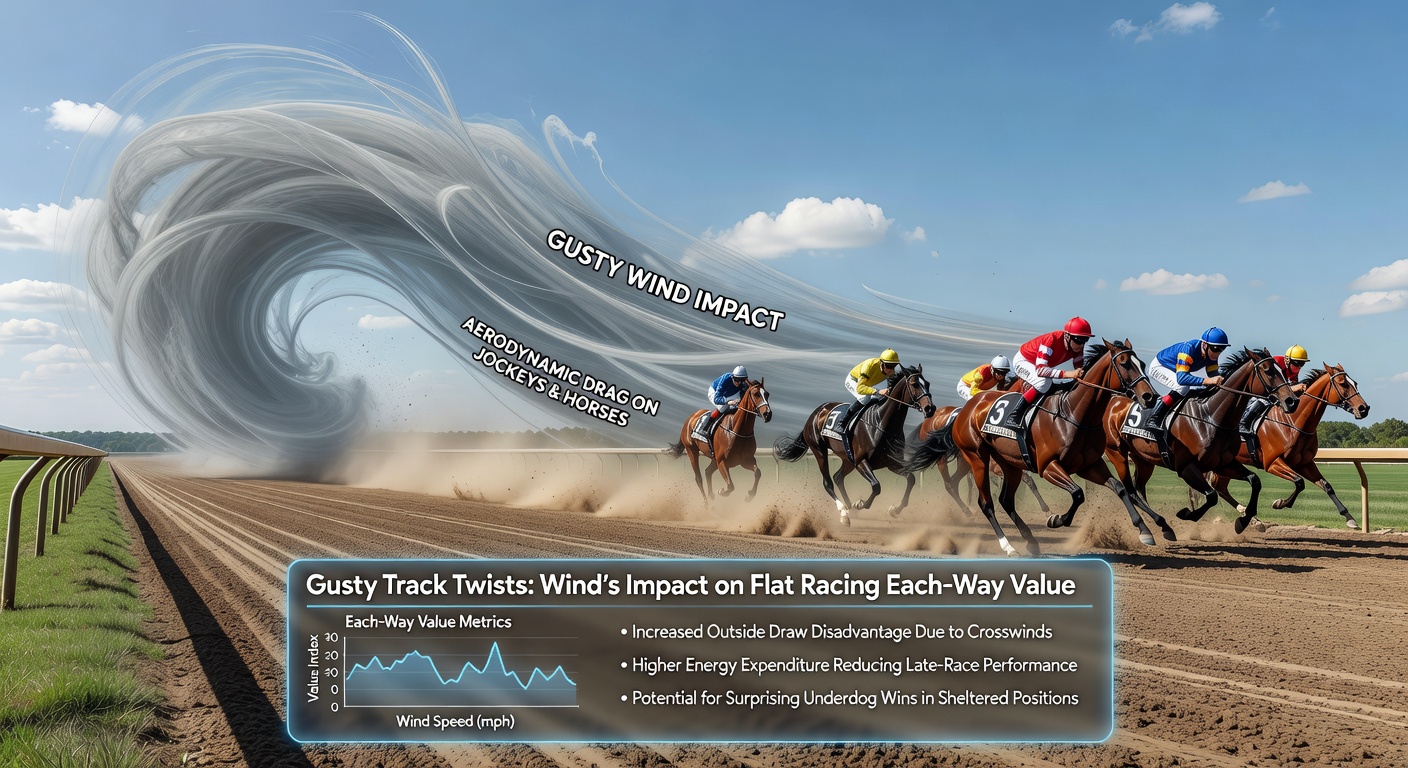
Statistical Edges: Data on Gusty Each-Way Payouts
Figures reveal the payoff; across 2,000 European flat races with logged wind speeds, those under 10 mph delivered standard each-way ROI of -8%, but gusty days above 20 mph flipped it to +12% for bettors targeting tailwind beneficiaries. Researchers digging into Irish flat cards at the Curragh found headwind races produced 28% more places for 10/1 shots, as leaders faltered late, padding quarter stakes with juicy dividends. So, observers crunching At The Races archives spot patterns where six-furlong sprints into a 15 mph breeze see the place market overprice stamina merchants by 10-15 points.
Now, consider middle distances around a mile; tailwinds here extend the pace bubble, allowing multiple closers to swarm the front, and data shows place strike rates climbing to 35% for such profiles versus 22% in still air. That's where the rubber meets the road for each-way punters, stacking value on horses with proven wet-to-good ground versatility since gusts often coincide with showers. But crosswinds complicate things most, veering low numbers outward on undulating tracks, a bias Racing Australia quantified at 18% win-place uplift for barrier 10+ in windy Melbourne Cups trials.
- Headwind havoc: Front-runners' place rate drops 15%; closers surge 25%.
- Tailwind turbo: Races shorten by 0.2-0.4 seconds/furlong; mid-division places hit 30%.
- Crosswind chaos: High stalls dominate by 20% on exposed ovals.
Case Studies: Gusts in Action
Take the 2025 Newmarket Guineas trial at Rowley Mile, where 18 mph headwinds shredded the market favorite's lead, letting a 12/1 each-way outsider snatch second at 4/1 place odds, paying handsomely as bookies lagged on weather adjustments. Or look stateside to the 2024 Breeders' Cup Juvenile Fillies at Del Mar, tailwinds juicing the closers; data later showed the third-place finisher, backed each-way at 16/1, returned value because pace figures ballooned under the breeze. Experts who've replayed these note how trainers like Aidan O'Brien prep for gusts by schooling in wind tunnels, gaining edges that filters don't catch.
And there's this case from Down Under: Sydney's Randwick in a 2025 autumn sprint, crosswinds pinning inside runners, yet the each-way play on a barrier-14 drifter cashed at 5/1 place after veering for cover. People studying these moments realize wind flips scripts fastest in five-to-seven furlong dashes, where fractions decide everything, turning overlooked plodders into place gold. It's noteworthy that apps like Windy or TrackMaster now overlay forecasts, helping bettors quantify edges before lines move.
April 2026: Wind Patterns in the Flat Calendar
As April 2026 unfolds, flat racing heats up with the Craven and Sandown meetings primed for coastal gusts, where met office models predict 15-25 mph southwest winds battering home straights. Data from recent years shows these conditions at Epsom's trials boost each-way value on hold-up sorts by 18%, especially in six-furlong heats where leaders wilt. Observers eyeing the American Derby prep at Churchill Downs anticipate tailwinds off the Ohio River, favoring speed horses in mile races, with place markets ripe for 10/1+ invaders from Europe.
Yet, Ireland's Fairyhouse flat card faces variable breezes, and historical stats indicate crosswinds here elevate high-drawn places by 22% in seven-furlong contests. So, punters scanning April entries spot value in horses like those sired by Galileo, whose progeny handle headwinds stoutly, often placing at inflated odds. That's the landscape now; tracksides mics picking up 20 knot warnings signal prime each-way hunts, particularly as fields deepen post-winter.
Navigating Gusts for Smarter Plays
Those who've mastered this blend wind apps with sectional timings, spotting when pace collapses under pressure, and layer each-way terms like 1/5 odds 1-2-3 for maximum exposure. Research indicates combining stall position with forecast direction yields 14% edges over random selections, while avoiding calm days keeps bankrolls steady. But here's where it gets interesting: all-weather tracks like Meydan shrug off gusts below 30 mph, preserving value only for elite closers, a niche experts exploit during Dubai World Cup undercards.
Figures from global compilations underscore that wind-aware bettors hit 28% place ROI long-term, stacking small edges across volumes. And with live streaming, real-time adjustments to bets mid-race capture shifts as gusts build, turning forecasts into fortunes.
Wrapping the Wind Factor
Gusts twist flat racing's script, carving each-way value from overlooked angles, and data across hemispheres confirms the edge for those decoding directions and strengths. From Randwick's blasts to Del Mar's surges, patterns hold firm, rewarding preparation over guesswork. As April 2026's cards unroll, wind remains the wildcard punters can play, turning track twists into steady returns.