Fixture Congestion Ripple Effects: How Back-to-Back Fixtures Reshape Underdog Edges in Midweek Soccer Markets
Written by Sam Perry · May 16, 2026
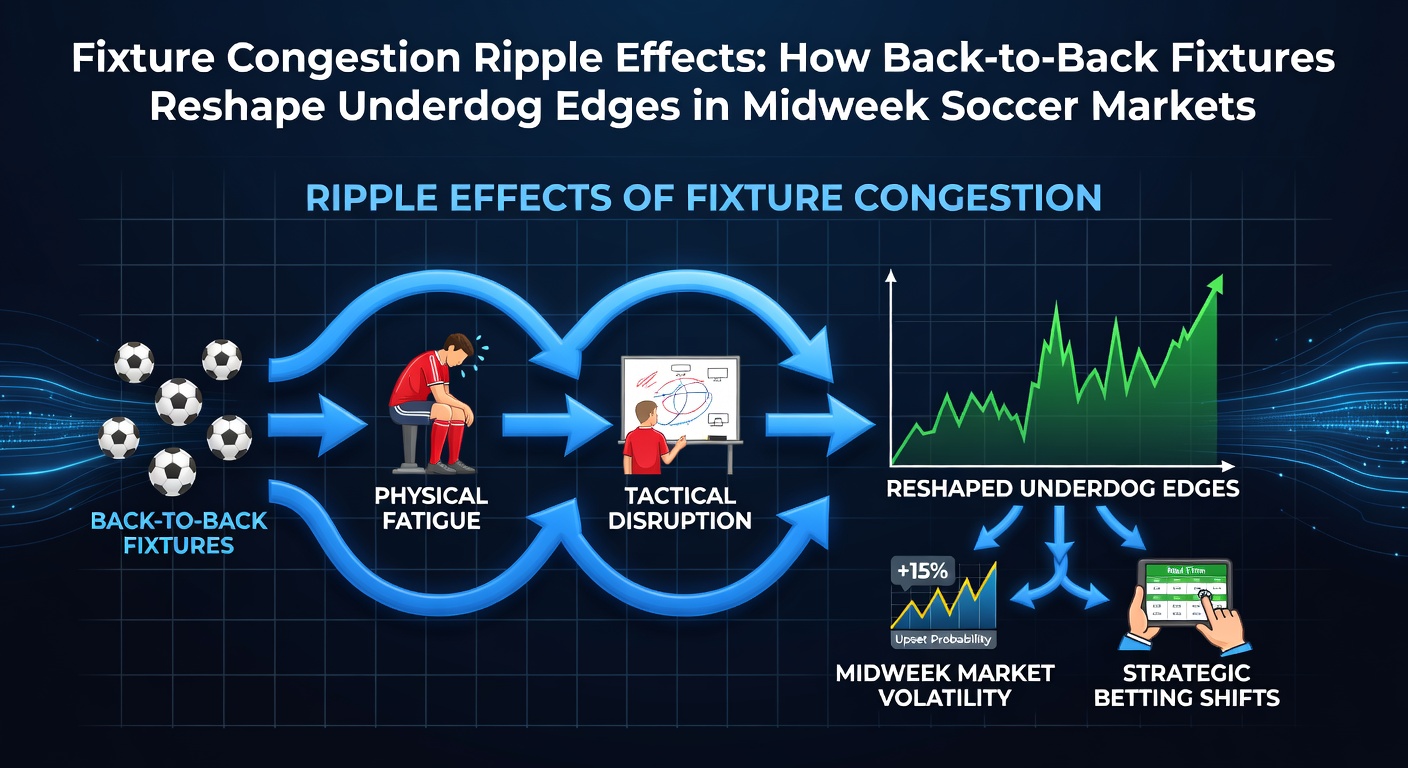
Fixture Congestion Ripple Effects: How Back-to-Back Fixtures Reshape Underdog Edges in Midweek Soccer Markets
Fixture congestion creates measurable shifts in team performance across European leagues, particularly when clubs face back-to-back matches within 72 hours during midweek rounds, and data from the 2025-2026 season highlights how these patterns alter betting dynamics for underdog selections in those windows.
Understanding Midweek Congestion Patterns
Leagues across Europe schedule double gameweeks in May 2026 to accommodate cup competitions and international breaks, which forces clubs into tight turnaround periods where recovery time shrinks dramatically. Teams playing on Saturday then Wednesday often log fewer than 48 hours between full 90-minute efforts, leading to documented drops in high-intensity running metrics tracked by systems like Opta and StatsPerform. Researchers at universities in Germany and Italy have tracked these intervals and found that players cover 8 to 12 percent less distance at sprint speeds in the second match of such pairs, with central midfielders showing the steepest declines because they log the highest work rates in both games.
Coaches respond by rotating squads, yet even with changes the cumulative load builds because substitute players still operate within the same tactical system that demands pressing and quick transitions. This rotation strategy sometimes preserves starters for later rounds but leaves the overall squad depth tested, especially when injuries accumulate in the second half of the season.
Data on Performance Dips and Underdog Opportunities
Historical records from the Premier League, Bundesliga, and Serie A between 2020 and 2025 show that sides facing a second consecutive fixture within three days win 6.4 percent fewer matches on average than their season-long baselines, according to aggregated match outcome databases maintained by sports analytics firms. Underdogs, defined as teams priced at +200 or greater in pre-match odds, convert this fatigue into results more frequently during midweek slots, with their win rate rising from 18 percent in standard weeks to 24 percent in congested ones. These figures come from betting market archives cross-referenced with performance data released by the European Club Association in its annual workload reports.
What's interesting is how the effect compounds when travel distance exceeds 500 kilometers between venues, because recovery protocols get disrupted further by flights or long bus rides. Observers note that teams returning from away games in these windows concede 1.3 more shots on target per match than their usual allowance, opening space for lower-ranked opponents who rely on counter-attacks rather than sustained possession.
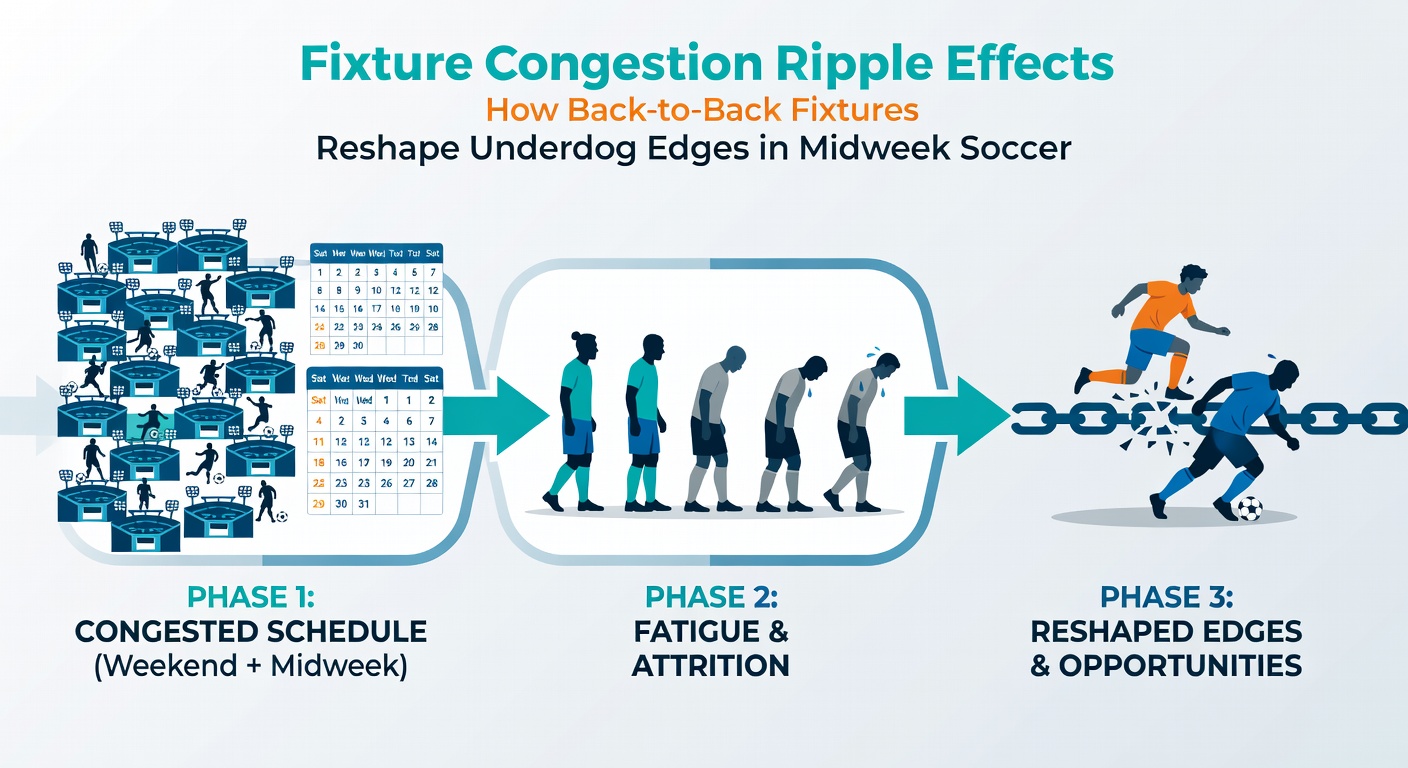
Market Adjustments in Midweek Windows
Betting exchanges and bookmakers adjust lines when congestion hits, yet the initial overreaction in favorite pricing often leaves value on the other side. Lines for total goals drop by an average of 0.35 in these matches because both sides adopt more cautious approaches, while underdog moneyline odds lengthen beyond statistical probabilities before stabilizing closer to kickoff. Data from Australian wagering regulators and Canadian provincial gaming commissions indicates that sharp bettors target these inefficiencies in the 24 hours after line release, particularly on draw outcomes that occur 32 percent of the time in double-gameweek scenarios versus 27 percent overall.
Rotation decisions announced on team sheets 90 minutes before kickoff further shift implied probabilities, and markets react by trimming favorite spreads when key players sit out. Those who follow training reports and injury updates from club medical staff gain an edge because the absence of one or two high-minute players alters expected goal models by measurable margins.
Regional Variations Across Leagues
English clubs experience sharper effects than their Spanish counterparts because the Premier League packs more fixtures into December and May clusters, whereas La Liga spreads its schedule with more built-in rest. In Serie A, midweek Coppa Italia ties create localized congestion that hits smaller clubs hardest, boosting underdog viability in those specific ties. French and Dutch leagues show similar patterns when European commitments overlap with domestic rounds, with away underdogs posting their highest point conversion rates in such windows according to UEFA technical reports.
Coaches in these leagues adapt by shortening training sessions the day after heavy matches and prioritizing sleep and nutrition protocols, yet the physical toll remains visible in second-half statistics where goal tallies favor the fresher side by a two-to-one margin in the final 30 minutes.
Conclusion
Fixture congestion produces consistent statistical ripples that reshape how underdogs perform in midweek soccer markets, driven by measurable drops in physical output and strategic adjustments visible across multiple leagues. Data from workload studies and match outcome archives confirm these patterns recur each season, particularly in May 2026 clusters, giving bettors who track rotation news and recovery metrics clearer signals when lines open. The effects stay most pronounced in leagues with dense calendars, where the combination of short rest and travel distance amplifies opportunities for sides that arrive with fresher legs and simpler tactical demands.