Crowd Noise Metrics and Free Throw Prop Adjustments in Playoff Arenas
Written by Erik Otto · Aug 24, 2026
Crowd Noise Metrics and Free Throw Prop Adjustments in Playoff Arenas
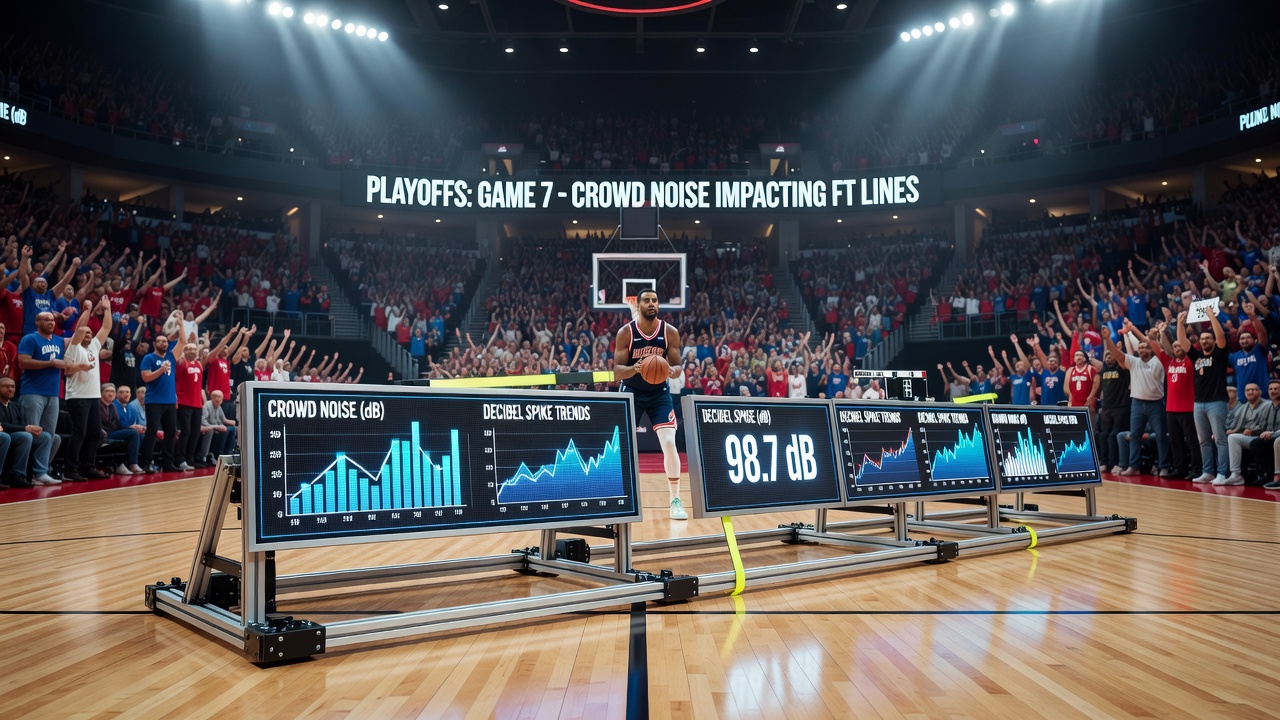
Acoustic pressure levels in enclosed basketball venues have drawn increasing attention from analysts who track how sound metrics correlate with free throw outcomes during postseason series, and data collected across multiple conferences shows measurable shifts in shooting percentages when decibel readings exceed established thresholds while prop lines adjust accordingly.
Acoustic Environment and Player Performance Data
Researchers at institutions focused on sports performance have documented that sustained crowd volumes between 95 and 110 decibels create measurable interference with player concentration during free throw attempts, and studies conducted in venues across North America and Europe indicate that visiting teams experience a 3 to 6 percent drop in conversion rates under peak noise conditions whereas home squads maintain closer to baseline figures because of familiarity with the environment.
Acoustic mapping tools now capture real-time data on frequency ranges and reverberation times inside arenas, and these readings feed directly into models used by betting markets to refine free throw prop offerings before each game of a playoff series begins.
Measurement Tools and Line Movement Patterns
Specialized sensors placed throughout seating bowls record peak sound pressure along with duration and tonal characteristics, and analysts combine this information with historical free throw statistics from similar acoustic profiles to project expected outcomes for individual players or teams; when readings indicate prolonged high-intensity noise during critical moments, oddsmakers often move the over line downward by half a point or more on affected shooters.
One study released through Sport Canada examined playoff games from 2024 through 2025 and found that series played in arenas with average crowd noise above 102 decibels produced statistically significant variances in free throw prop results compared with quieter regular-season environments, and the research linked these shifts to both physiological stress responses and subtle disruptions in pre-shot routines.
Playoff Series Examples and Market Responses
During the 2026 postseason, several conference semifinal matchups featured arenas where crowd density metrics reached record levels for that venue, and free throw props for perimeter players on road teams adjusted noticeably in the hours leading into tip-off; observers tracking line movement noted that props involving players with documented sensitivity to auditory distraction moved faster than those for more experienced postseason veterans.
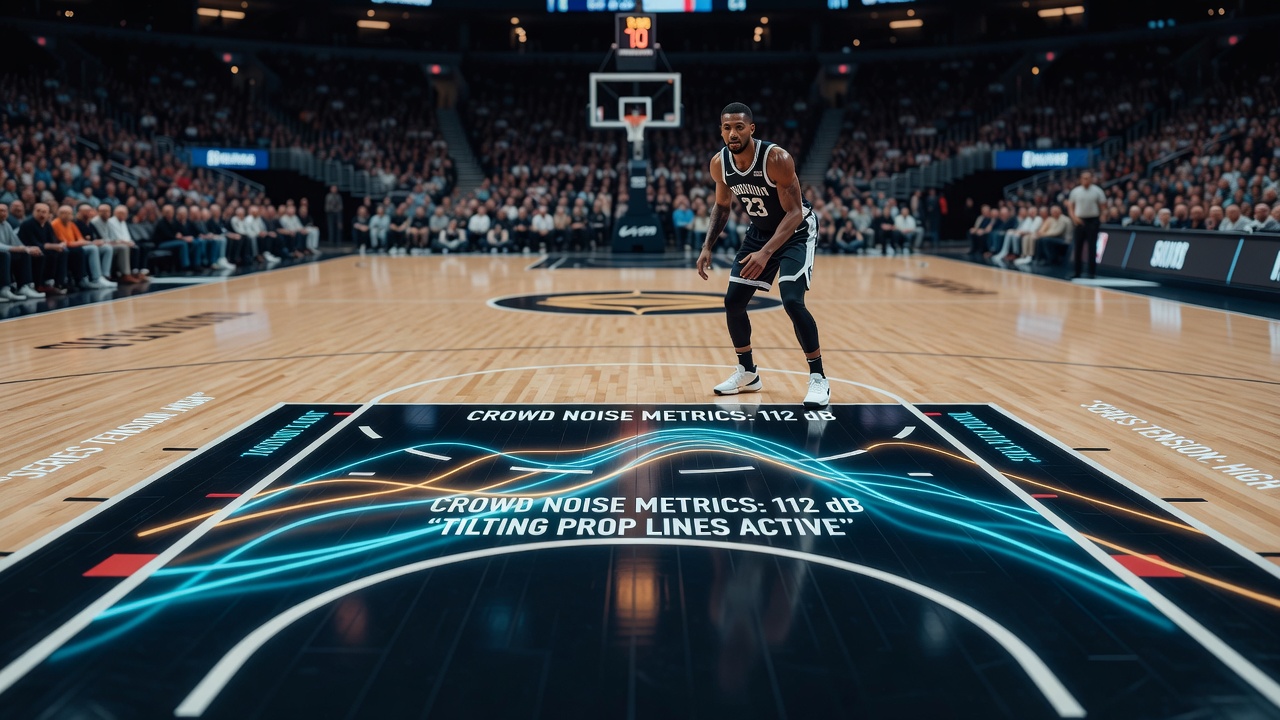
Analysts cross-reference these acoustic datasets with travel schedules and rest intervals, and they observe that teams arriving from different time zones sometimes exhibit amplified effects when competing in loud indoor settings; figures released by the Australian Institute of Sport on international basketball events highlight similar patterns where combined fatigue and environmental noise produce compounded impacts on shooting efficiency.
Integration of Metrics into Betting Frameworks
Betting platforms now incorporate crowd noise indices alongside traditional variables such as player fatigue, defensive pressure, and historical venue performance, and this layered approach allows lines to reflect expected free throw variance more precisely across extended playoff series; when acoustic data indicates sustained levels that exceed historical averages for a given arena, prop adjustments appear earlier in the betting window.
Industry reports from the European Gaming and Betting Association note that transparency around these environmental factors has increased among operators covering North American basketball, and the availability of granular acoustic measurements has contributed to more stable market pricing in high-stakes series where free throw volume tends to rise in later rounds.
Future Developments in Acoustic Analysis
Advancements in wearable technology allow teams and analysts to monitor individual player responses to noise in real time, and emerging models integrate heart rate variability with decibel readings to predict free throw outcomes with greater granularity; as these tools become more widely adopted, prop line adjustments based on crowd metrics are expected to become standard across major basketball markets.
Continued collection of venue-specific acoustic profiles will refine the accuracy of these projections, and series scheduled for August 2026 international tournaments may provide additional datasets from indoor arenas operating under comparable playoff-style crowd conditions.
Conclusion
Crowd noise metrics have become a recognized variable in the evaluation of free throw props during high-stakes basketball playoff series, and the integration of acoustic data with performance statistics continues to shape how lines respond in loud indoor venues; ongoing research and measurement improvements support more precise modeling while maintaining focus on verifiable environmental influences.